VERTICAL AI WORKFLOW AUTOMATION

AI WORKFLOW PILOT — IN PROGRESS

START WITH THE WORKFLOW

Important work often moves through email, files, spreadsheets, forms, chat, and several business systems.

People collect information, check what is missing, move work between teams, compare details, and decide what happens next. AI can help, but automating a broken workflow only makes the problem move faster.

JPDESIGN does not start with a large AI transformation. We start with one real operational workflow, find where time, information, handoffs, and decisions break down, and test where AI can safely reduce manual work. We prove what creates value first, then help integrate and scale what works.

People stay responsible for important decisions. Start a Conversation!

OUR APPROACH

The work begins with one real workflow, not with an AI feature.

1. Understand the work: We observe how people complete the task today. We map what comes in, which tools and data they use, who reviews the work, and what decision ends the process.

2. Find the friction: We identify repeated work, missing information, manual handoffs, delays, rework, and places where people must search across systems.

3. Separate judgment from repetition: Not every task should be automated. AI may collect, classify, compare, summarize, or suggest. People stay responsible where judgment, risk, approval, or accountability matters.

4. Design the human decision layer: Each important recommendation should make four things clear: What did the system find? What evidence supports it? What is uncertain? What happens if the person approves it? What can the person change, reject, or stop?
5. Test before scaling: We build a focused prototype or paid pilot around one workflow. Then we measure whether it reduces manual effort, handoffs, errors, rework, or time to decision.

Only then do we recommend going wider.

HOW ENGAGEMENT STARTS

We start with one live workflow. We map the people, systems, data, handoffs, delays, decisions, and business impact.

If the opportunity is clear, we build and test one focused AI-assisted workflow with real users and real business conditions.

When the pilot proves value, we connect the workflow with the tools, data, and systems already used by the team.

We expand what works across more users, tasks, teams, or business units while tracking performance and keeping human control clear.

How pilot works

1. ONE REAL WORKFLOW.
We choose one process that costs the team real time, creates real risk, or slows an important decision. Not a demo. Something people actually do.

2. FOUR TO SIX WEEKS.
We map the decision, design the workflow, build the pilot, and test it with your team using real business conditions and approved data.

3. PROVE THE NEXT STEP.
At the end, you have a working pilot, clear measures of what changed, and evidence for deciding whether to integrate, expand, change, or stop.

4. WHAT WE MEASURE.
The measures depend on the workflow, but may include: Time to complete the work, Manual steps, Number of handoffs, Missing information, Rework, Error rate, Time to decision, AI recommendation acceptance or override, and Cost per task.

Start a Conversation!

SELECTED WORK

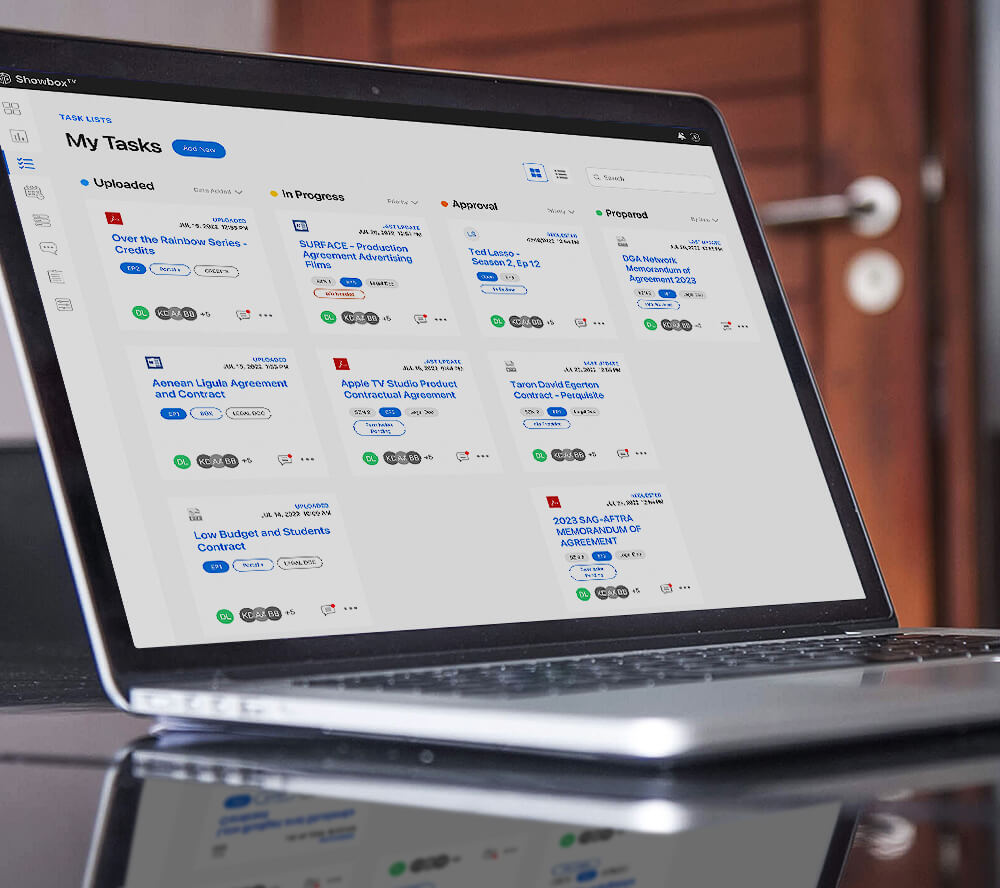
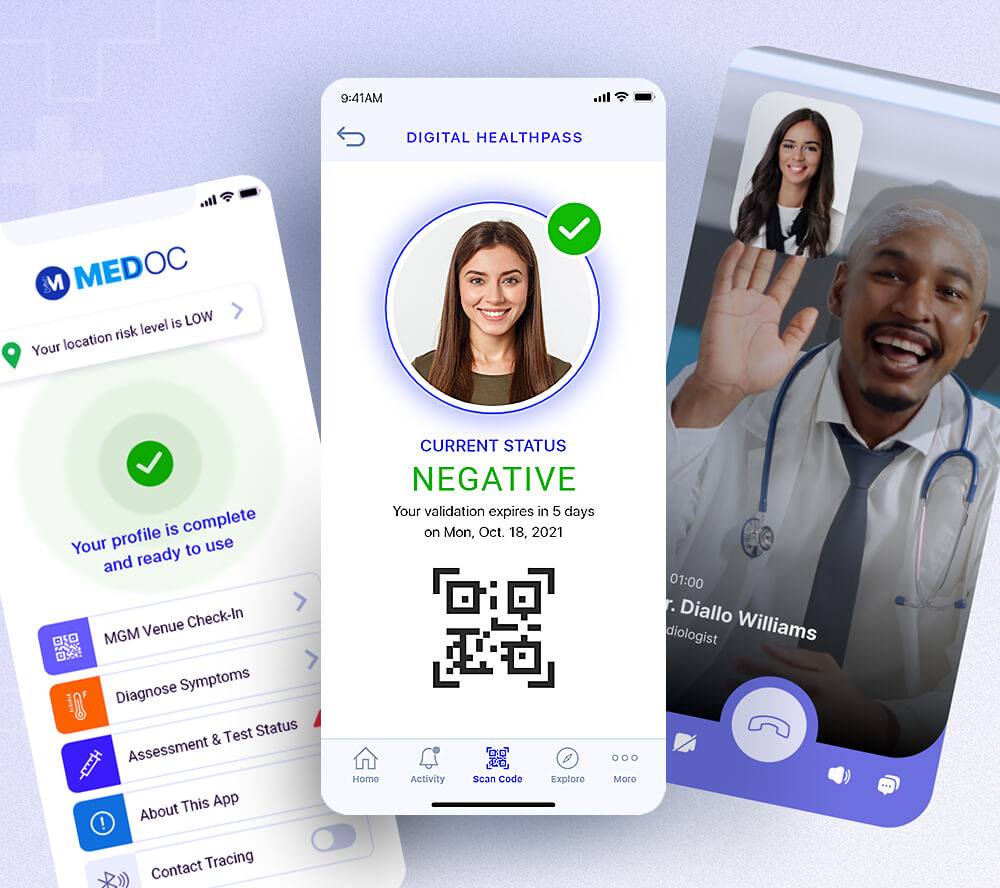
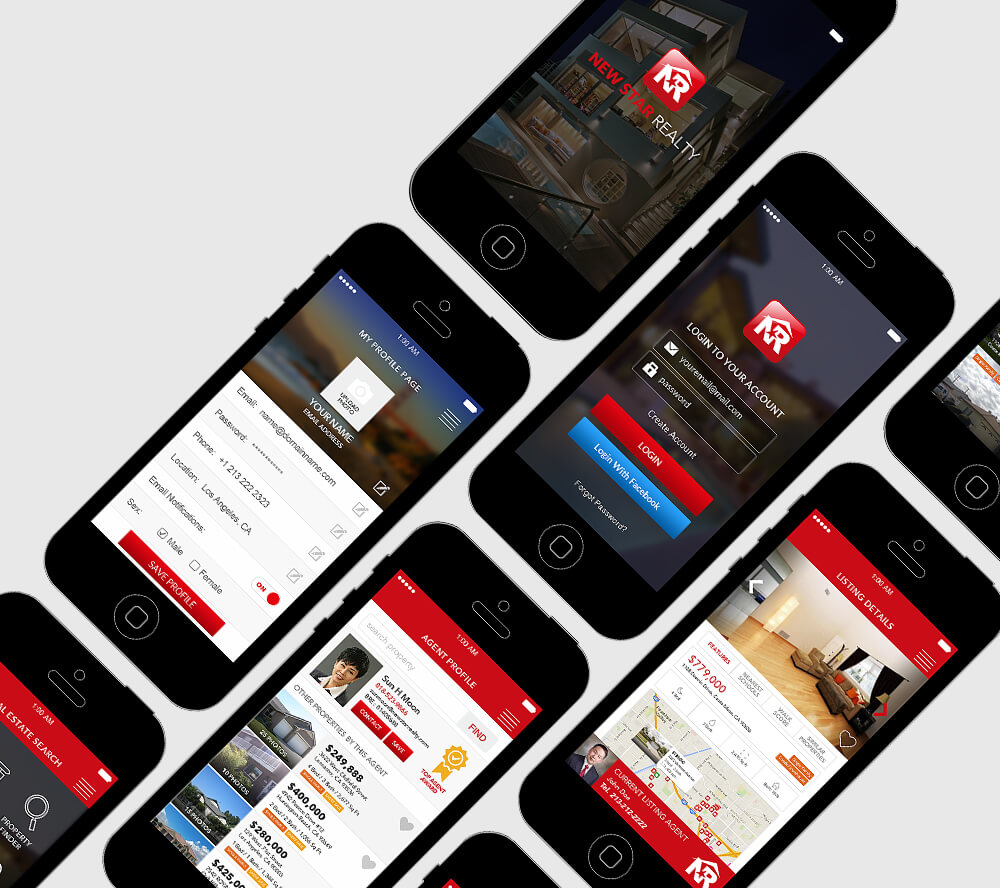
The workflow problems behind our AI work. Our past work spans operational systems, complex transactions, healthcare, search, content platforms, and enterprise products. Each project taught us how to simplify information, connect workflows, support decisions, or keep people in control.

Loading...